

Global supply chain management in the apparel industry refers to the end-to-end oversight and coordination of sourcing raw materials, manufacturing garments, and delivering finished products across international borders. This comprehensive process spans multiple functions, including supplier selection, procurement, production scheduling, inventory control, customs clearance, and final-mile delivery. For brands operating at scale, managing this complexity requires precision, speed, and adaptability. Today’s supply chains are digitally enabled and must navigate challenges such as fluctuating raw material costs, geopolitical shifts, and increasingly stringent compliance standards.
In the fashion sector, where trends shift rapidly and lead times are short, a responsive and well-integrated supply chain is crucial. Brands must be able to react quickly to market changes, replenish stock efficiently, and minimize excess inventory. Additionally, the growing demand for sustainability has introduced new expectations, such as traceability, eco-friendly packaging, and carbon footprint reduction.
Success in global apparel supply chain management hinges on three pillars: visibility, speed, and control.
Visibility is achieved through integrated systems that connect design, production, and logistics teams across countries. By using real-time data, brands can make informed decisions about inventory allocation, supplier shifts, or capacity rebalancing.
Speed is a key differentiator in fashion. Companies that streamline operations—from design to delivery—can capture market opportunities faster. Technologies like predictive analytics, AI-powered demand forecasting, and real-time production monitoring contribute to this agility.
Control involves rigorous compliance and vendor governance. With thousands of suppliers involved in producing apparel globally, maintaining product quality and labor compliance is critical. Brands must establish strict vendor onboarding processes, audit protocols, and collaborative performance review systems.
Eton’s extensive experience in managing global supply chains has been a cornerstone of our success. From our roots in China to our expansion across multiple production countries including Bangladesh and South Africa, we have built a highly resilient and adaptive supply chain ecosystem. We utilize a proprietary vendor platform that connects over 10,000 partners, offering clients scalability without compromising control.
Our dynamic costing and capacity planning tools allow us to make faster decisions while aligning with commercial targets. We forecast demand in real time and adjust production orders accordingly, ensuring timely delivery and optimal stock levels.
Eton also invests in compliance and sustainability. Through close collaborations with certified mills and factories, we enforce ethical labor practices and promote eco-conscious production. Our robust order tracking system and on-the-ground factory support teams enable real-time responsiveness and minimize production bottlenecks. By aligning speed, control, and visibility, Eton consistently delivers high-performing supply chain solutions that help brands thrive in competitive markets.

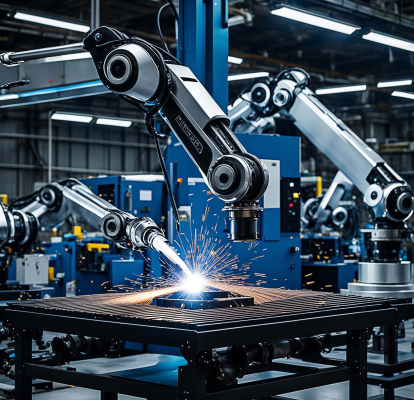
We implement rigorous quality control measures at every stage of production, ensuring consistency and high standards.
We implement rigorous quality control measures at every stage of production, ensuring consistency and high standards.
We implement rigorous quality control measures at every stage of production, ensuring consistency and high standards.
We implement rigorous quality control measures at every stage of production, ensuring consistency and high standards.
We implement rigorous quality control measures at every stage of production, ensuring consistency and high standards.
Let’s build the future together. Join forces with Eton Group today and unlock cutting-edge manufacturing and supply chain solutions that not only drive innovation but also create lasting value, sustainable impact, and long-term success for your brand, your customers, and the generations to come.
A member of the Eton Group
